
Pituitary & Adrenal Disorders
Specialist endocrine assessment of cortisol, pituitary hormones, and adrenal function — with evidence-based testing rather than guesswork or unregulated supplements
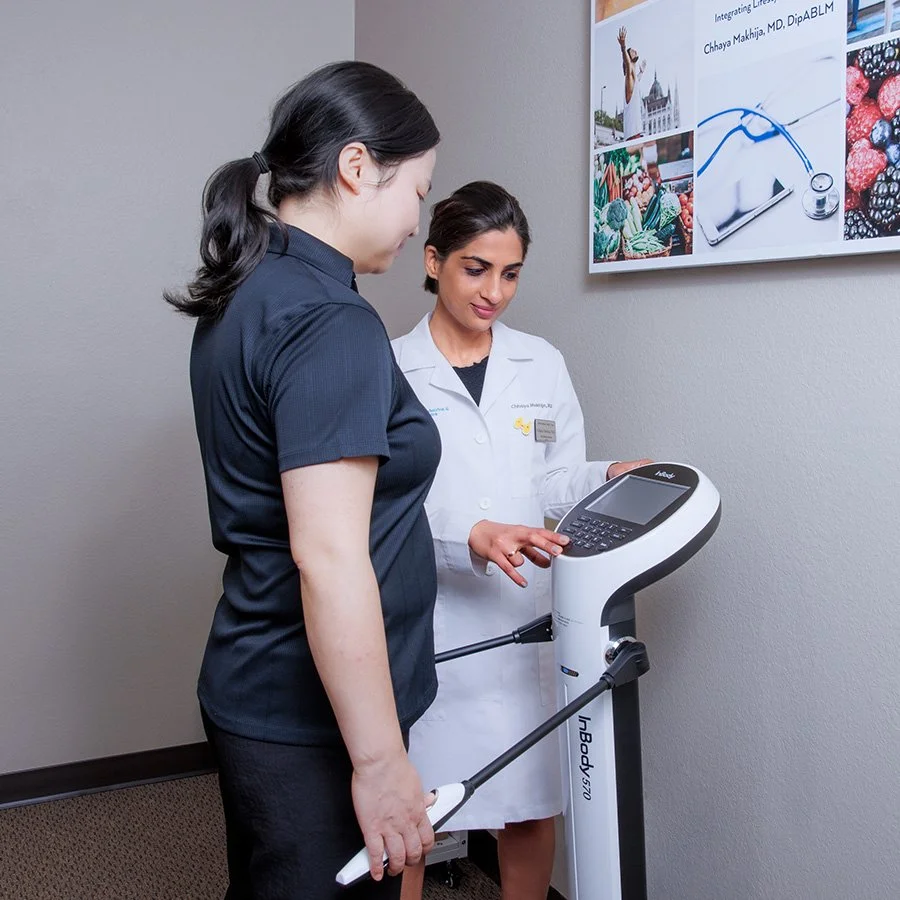
Medically reviewed by Dr. Chhaya Makhija, Triple Board-Certified Endocrinologist, in Sept. 2026.
The Pituitary Gland
The pituitary gland is like the powerhouse of several hormones, and it is located at the base of the brain.
Pituitary hormones include:
ACTH
TSH
Growth hormone
LH
FSH
Prolactin
ADH and oxytocin
There are multiple pituitary disorders — such as a pituitary tumor or hyperprolactinemia — in which medical management can be very helpful. Patients may have a plethora of symptoms, which need evaluation by an endocrinologist. Endocrinologists also collaborate with the right pituitary surgeon if a pituitary tumor is involved.
The Adrenal Glands
There are two adrenal glands, one on top of each kidney, and they play a very important role in the production of:
Our stress hormone, that is, cortisol
Aldosterone, which helps regulate our salt and water balance and blood pressure
Testosterone and other androgens, as well as epinephrine and norepinephrine hormone.
Evidence-Based Adrenal Assessment
For the adrenal glands, the right evidence-based assessment of fatigue means ordering the appropriate tests for cortisol and ACTH — either to evaluate adrenal insufficiency or to assess hypercortisolemia (that is, cortisol excess, or Cushing's syndrome). Testing includes:
Salivary cortisol testing for cortisol excess
The dexamethasone suppression test
The ACTH stimulation test
A Note on Adrenal Supplements
In this era of information and multiple unregulated supplements, it is also very important to educate our patients and community about unsafe and dangerous adrenal supplements, as they could affect the endogenous hormones.
Frequently Asked Questions
I am stressed. Is it my cortisol?
Cortisol is a stress hormone. It is very protective and is utilized in the fight-or-flight response. When we face environmental and life stressors, our responses to stress are individual, and cortisol may be elevated during those times. On the other hand, the physiological rise in cortisol is not the cause of why we feel stressed with work assignments or worry about personal issues, for example.
Pathologically high cortisol is seen in Cushing syndrome, due to excessive intake of steroid tablets, injections, or sprays, or due to a pituitary or adrenal tumor, and can cause high blood pressure, diabetes, and weight gain.
I am gaining weight. Is it my cortisol?
Weight gain is multifactorial and is related to:
Genetics
Nutrition
Exercise
Physical inactivity
Gut health
Insulin resistance
Hormonal changes such as perimenopause and menopause
Hypogonadism or untreated sleep apnea
Other endocrine conditions
Cushing's syndrome — due to excessive production of steroids or excessive intake of steroids — can also cause abnormal weight gain and abnormal weight distribution. This has to be assessed with the right testing through an endocrinologist, which could include:
24-hour urine cortisol testing
Midnight salivary cortisol test
Dexamethasone suppression test
These are evidence-based.
A Note on Insurance
Unified Endocrine Care is an out-of-network practice. Practicing outside of insurance networks allows us to give each patient the time and attention their care deserves, and to build treatment plans around clinical need and personal health goals rather than around the limitations insurance coverage places on them.
Ready to Transform Your Health?
Request an Appointment
Tell us a little about you and your goals. Our team will reach out to confirm your appointment and next steps.
PLEASE NOTE:
Unified Endocrine Care is a direct pay, concierge style practice that does not participate with any insurance plans, which allows Dr. Makhija to provide longer visits and highly personalized care without the constraints of insurance.
Complex Hormones Require Specialist-Level Care
Conditions We Treat:



Where We Provide Pituitary & Adrenal Disorder Treatment:
In person at our Fresno office (serving Clovis, Visalia, Madera, Hanford, and Tulare) and our Lafayette office (serving Walnut Creek, Orinda, Danville, Berkeley, Oakland, and San Francisco) — plus telehealth for patients anywhere in California.