
Perimenopause & Menopause Care
Hormone therapy, bone health, and metabolic support so that women can thrive in this important phase of their lives
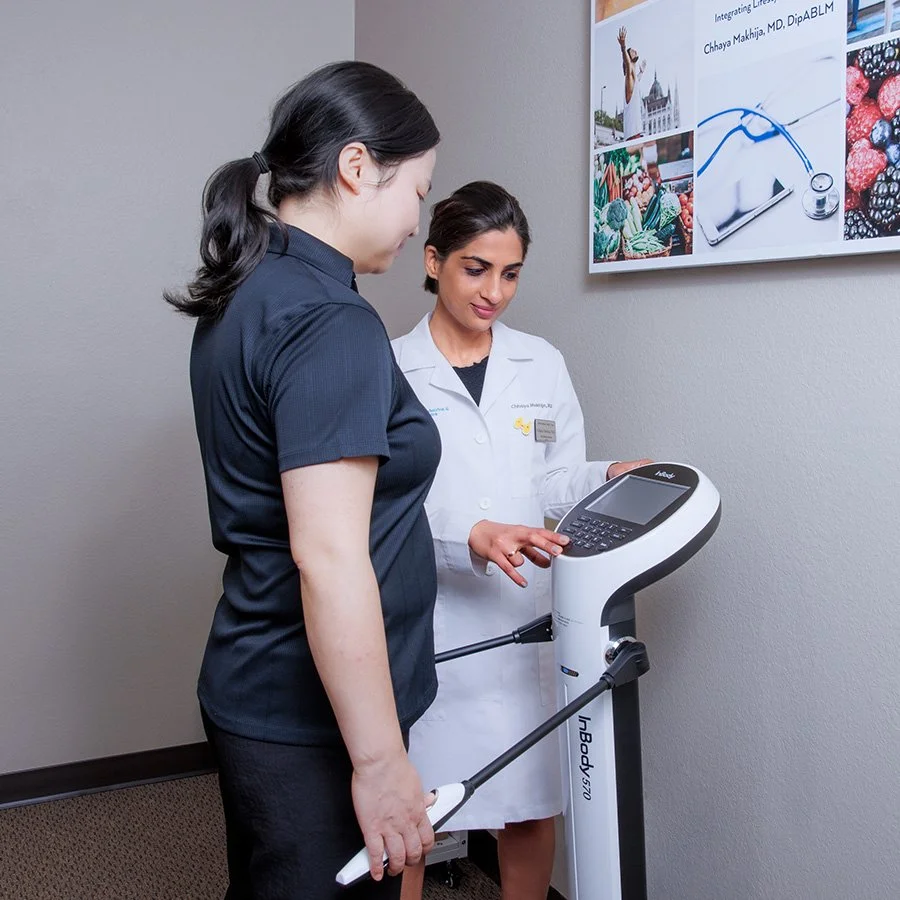
Medically reviewed by Dr. Chhaya Makhija, Triple Board-Certified Endocrinologist, in Sept. 2026.
Understanding This Stage of Life
Perimenopause and menopause are both phases in a woman's life in which dramatic changes are happening in the hormones, the bone, the muscle, and the entire endocrine system. When the right steps are taken toward comprehensive, holistic treatment, women can thrive in the second phase of their life.
What Is Perimenopause?
Perimenopause is the phase before menopause, and it can be asymptomatic or symptomatic for a woman. Changes can begin even 10 years prior to the last menstrual cycle, and in many individuals, there are certain hormonal changes that could be explained by perimenopause even in the late 30s.That being said, not everyone needs menopause hormone therapy. Every woman should have the right to understand perimenopause, the hormonal fluctuations, and the clinical and biochemical evaluation involved, as well as to have the following addressed: sleep changes, mood changes, temperature changes, menstrual cycle changes, and metabolic changes that can happen, including low diet, muscle, pre-diabetes, higher cholesterol levels, musculoskeletal syndrome, and vaginal symptoms
What Is Menopause?
Menopause is the phase in which there is a complete cessation of menstrual cycles, or in which a woman has had a hysterectomy or ablation, or has an IUD placed. An FSH (follicle-stimulating hormone) test can be done to establish a biochemical diagnosis, while a clinical diagnosis takes precedence for perimenopause.During this phase, estrogen and progesterone are gradually declining. The ovaries also produce testosterone, which is declining. On many occasions, lab testing alone may appear normal — which is why seeing a specialist is crucial.
A Comprehensive Approach to Evaluation and Care
I recommend a very comprehensive approach for women during this phase. At your first visit, it's your story, assessment, and personalized plan. Evaluation also includes your hormonal and metabolic assessment.We will conduct a follow up visit if there is hormone replacement therapy, then ongoing membership care includes evaluation of your bone health, sleep, and stress response strategies, relationship, and time management, along with ongoing education, sharing resources, and treatment
Hormone Replacement Therapy Options
For women who meet the criteria and are also interested in hormone replacement therapy, we have bio-identical hormone replacement therapy for both estrogen and progesterone, including:Oral estradiolTransdermal estradiol patchesEstradiol gels and spraysFor progesterone, we have micronized progesterone capsules to be taken daily. Other formulations include synthetic progesterone, intrauterine devices. If unable to tolerate estradiol and progesterone, there are alternatives such as bazedoxifene. There are multiple other options to discuss regarding menopause hormone replacement therapy, including assessing libido, the need for testosterone, and the emerging data on how GLP-1 receptor agonists can help women in the perimenopause and menopause age group.Hypoactive sexual desire disorder/Low Libido - Discussion on treatment options, including off-label use of Testosterone topical (no pellets) occurs that would be safe for the patient.
Early and Premature Menopause
Individuals going through early or premature menopause, or premature ovarian insufficiency, also need a discussion of hormone replacement therapy. Given their young age, the doses and the discussions will be very different.
Frequently Asked Questions
Can I treat menopause naturally?
Menopause is one of the phases of a woman's life, and it is not necessary that every woman needs hormone replacement therapy or menopause hormone therapy. If a woman has concerning menopause symptoms, then hormone replacement therapy — after discussion with a menopause specialist or endocrinologist — can be very meaningful if there are no contraindications.If a patient does not desire to consider hormone replacement therapy or does not need it, then addressing bone health, vaginal dryness, sleep, stress management, exercise, and nutrition can all be beneficial in optimizing her health. Appropriate calcium, vitamin D, and vitamin B12 supplements, along with adequate protein intake and strength training, are part of menopause care.
Regarding other herbs, spices, and natural supplements such as black cohosh, lavender oil, and primrose oil, these have not been shown to alleviate all menopausal symptoms, though in certain patients, there could be some improvement in symptoms. One also has to be aware of liver abnormalities with black cohosh. This is why it is best to have this discussion with a board-certified physician or menopause specialist.
What is the difference between birth control pills and hormone replacement therapy?Birth control pills (oral contraceptive pills) are synthetic and are given in higher doses in order to suppress ovulation, whereas hormone replacement therapy is given at very low doses. Most HRT formulations are bioidentical and are used for replacement in the perimenopausal and menopausal age groups. HRT does not prevent pregnancy.Detailed blog regarding this topic: https://unifiedendocrinecare.com/blog/contraceptives-vs-hrt
Additional Resources
How I start Menopause HRT, by Dr. Chhaya Makhija
A Note on Insurance
Unified Endocrine Care is an out-of-network practice. Practicing outside of insurance networks allows us to give each patient the time and attention their care deserves and to build treatment plans around clinical need and personal health goals rather than the limitations insurance coverage imposes.
Ready to Transform Your Health?
Request an Appointment
Tell us a little about you and your goals. Our team will reach out to confirm your appointment and next steps.
PLEASE NOTE:
Unified Endocrine Care is a direct pay, concierge style practice that does not participate with any insurance plans, which allows Dr. Makhija to provide longer visits and highly personalized care without the constraints of insurance.
Complex Hormones Require Specialist-Level Care
Conditions We Treat:

Where We Provide Menopause & Perimenopause Care:
In person at our Fresno office (serving Clovis, Visalia, Madera, Hanford, and Tulare) and our Lafayette office (serving Walnut Creek, Orinda, Danville, Berkeley, Oakland, and San Francisco) — plus telehealth for patients anywhere in California.