
Let’s Make Sense of Your Health Together
Real answers, practical insights, and science-based guidance from Dr. Makhija — helping you feel informed, confident, and supported in your health journey.

Ozempic, Wegovy, and Mounjaro: The Truth About GLP-1s for Weight and Metabolic Health
GLP-1 medications like Ozempic, Wegovy, and Mounjaro have become one of the most talked-about tools in weight and metabolic health, often surrounded by social media hype, celebrity headlines, and fear-based terms like “Ozempic face.” But when you move past the noise and look at the science, GLP-1s are not miracle drugs or moral judgments. They are well-studied medications that, when used appropriately, can support metabolic health, insulin resistance, and weight management.
In this article, we break down what GLP-1 and dual-agonist medications actually are, what they are FDA-approved to treat, how they work in the body, and what realistic results look like. We also discuss common side effects, long-term use, muscle preservation, and why lifestyle strategies like nutrition and strength training still matter.
For patients in California, we offer in-person care and telemedicine support, including Lafayette and the Bay Area, Silicon Valley, Palo Alto, Menlo Park, San Francisco, Walnut Creek, Oakland, and Sacramento.
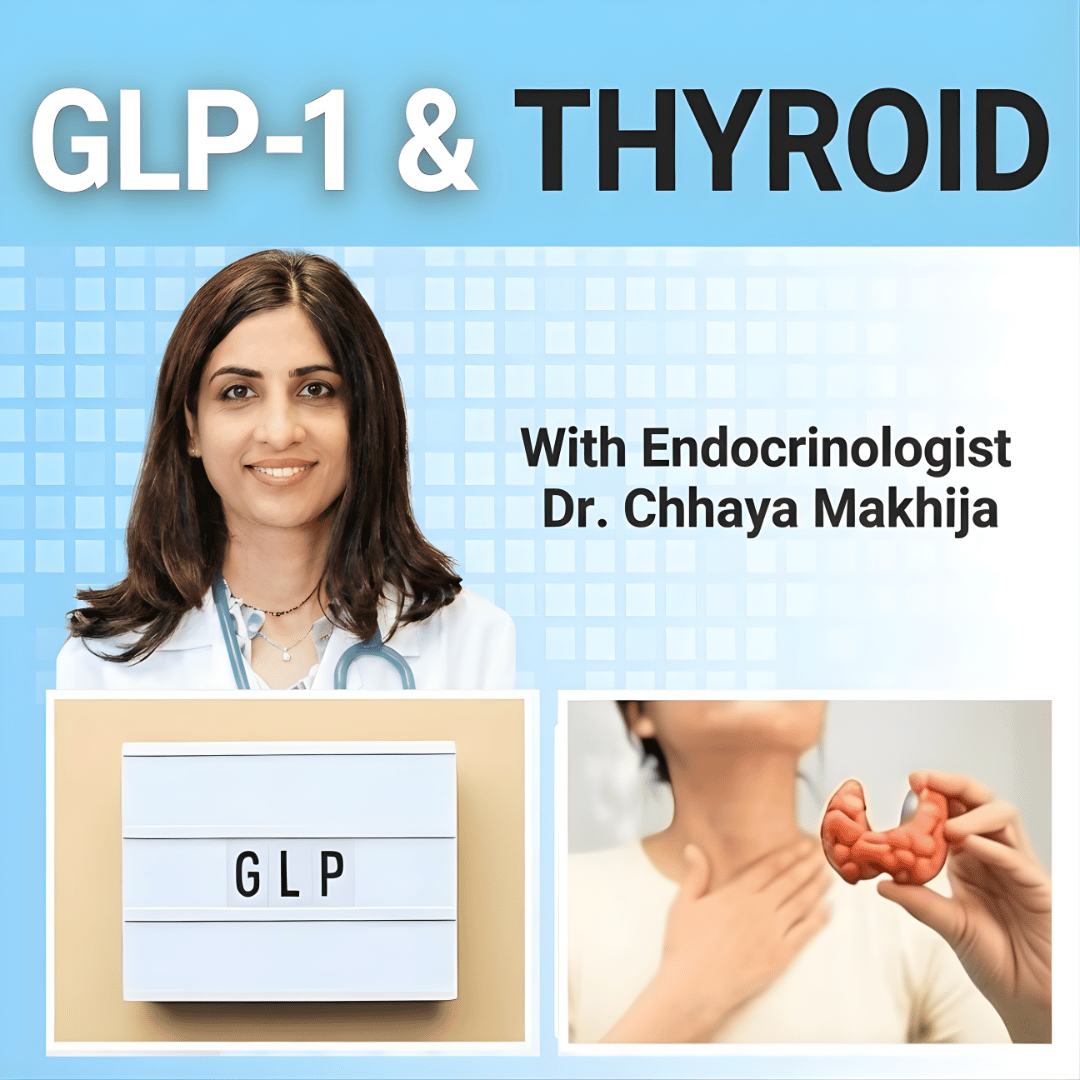
Can You Take GLP-1 Medications If You Have Hashimoto’s or Thyroid Cancer?
If you have Hashimoto’s, hypothyroidism, or a history of thyroid cancer, you may wonder whether GLP-1 medications like Ozempic, Wegovy, Mounjaro, or Zepbound are safe. In this evidence-based guide, board-certified endocrinologist Dr. Chhaya Makhija explains who can safely use GLP-1 therapy, which thyroid conditions are true contraindications, and how to monitor thyroid labs during weight loss treatment. Serving patients in Lafayette, Fresno, the Bay Area, and throughout California via telemedicine.

Why I Treat Your Metabolic Health—Not Your Scale: A 5-Minute Read on GLP-1s in 2026
GLP-1 medications are everywhere—but weight loss is not the goal. In this 5-minute read, board-certified endocrinologist Dr. Chhaya Makhija explains why treating metabolic health, insulin resistance, visceral fat, and muscle preservation matters far more than chasing the scale. Learn how evidence-based GLP-1 therapy fits into a long-term plan for strength, energy, and disease prevention—guided by safety, body composition, and personalized medical care across California, including Bay Area locations and telemedicine.


The Truth about your Muscle for Type 2 Diabetes
The Truth about your Muscle and Muscle as Medicine for Type 2 Diabetes


Oral Contraceptives vs. Hormone Replacement Therapy: What’s the Real Difference?
Many patients are unaware of the mechanism behind each treatment. One suppresses, the other supplements. One is for ovulation prevention, the other for menopause symptom relief. Getting the right diagnosis and guidance from a hormone specialist is essential.
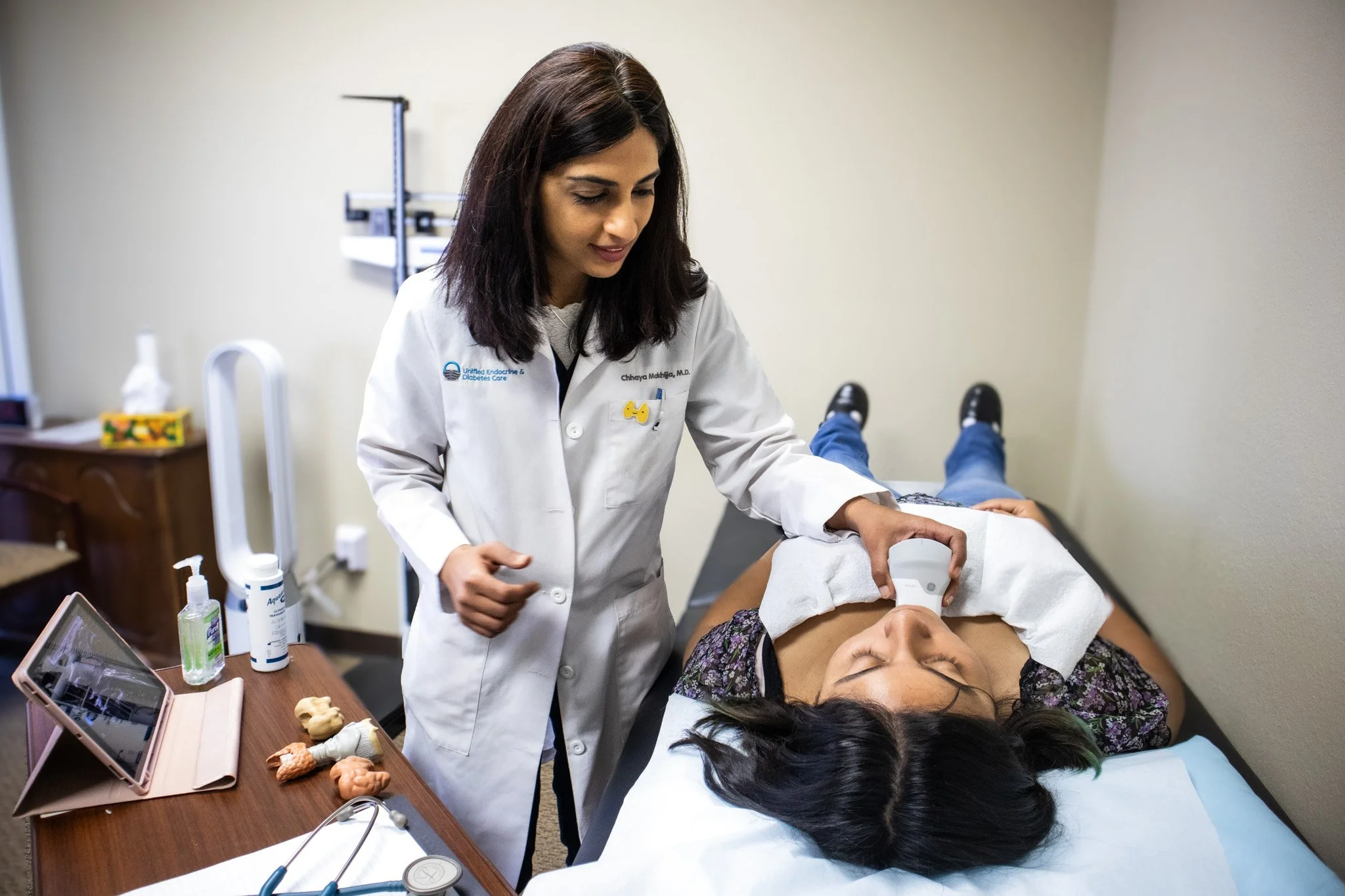
The Thyroid Labs and What They Mean: An Endocrinologist’s Guide
When patients ask about their thyroid, they often come to me overwhelmed by lab reports and mixed information online. As an endocrinologist who has treated thousands of patients with thyroid disease, I want to simplify this for you, so you can feel informed, empowered, and confident in taking your next steps.

From pain to progress: How one patient found relief by shifting toward plant-based eating
Danny, a middle-aged man in his late 40s, walked into my clinic feeling frustrated and defeated. He had battled repeated episodes of gout—painful, swollen joints and kidney stones caused by rising uric acid levels. On several occasions, he'd committed to a popular ketogenic diet, hoping to regain control of his glucose, cholesterol and blood pressure.

Bay area executives: Is your hormonal health sabotaging your success? Expert endocrine care in Lafayette by Dr. Chhaya Makhija, MD
Do you find yourself struggling to maintain your edge in the boardroom despite your best efforts? You're not alone. Many successful professionals in Silicon Valley and beyond are secretly battling invisible health challenges that can derail careers and personal lives.

Low bone density? Discover the comprehensive approach of integrating lifestyle and pharmacological therapy.
Osteoporosis isn’t just about aging—Bone loss occurs due to estrogen deficiency, testosterone deficiency, malnourishment, and even patients with obesity have a higher risk for low bone density.

