
Medical Weight Management & GLP-1 Care
Physician-supervised weight loss led by an endocrinologist — from diagnosing the hormonal causes of weight gain to body composition analysis, lifestyle medicine, and expert GLP-1 prescribing and monitoring.
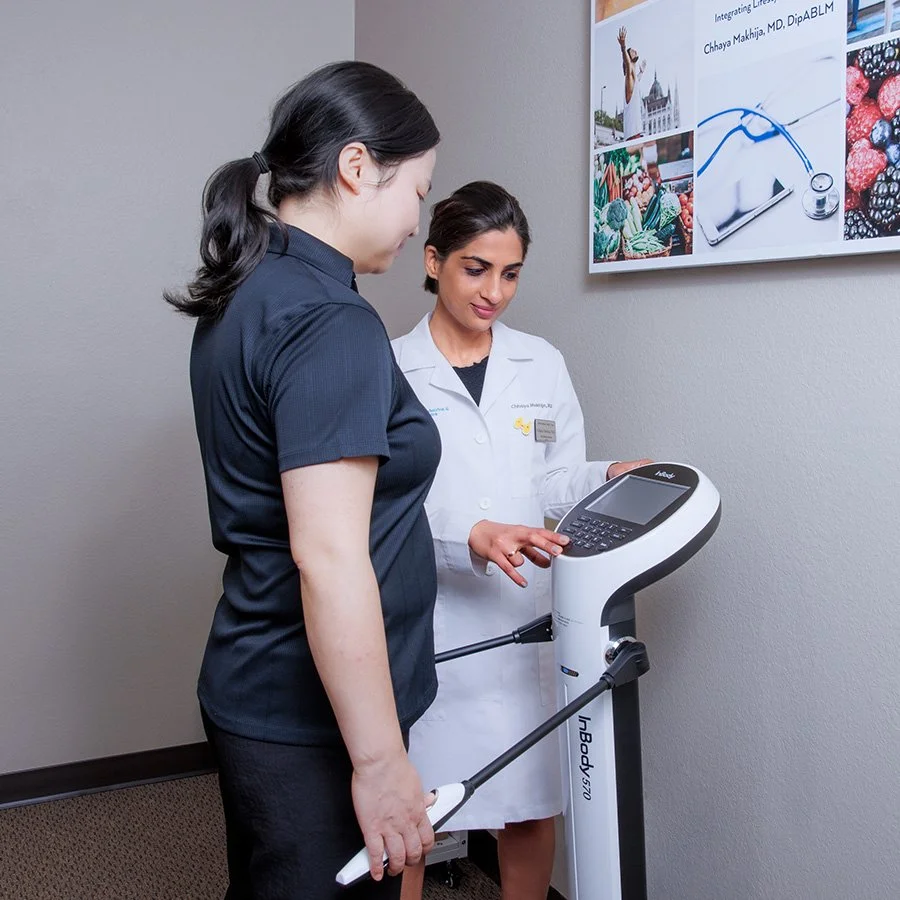
Medically reviewed by Dr. Chhaya Makhija, Triple Board-Certified Endocrinologist, in Sept. 2026.
What Governs Weight and Metabolism
There are several factors governing weight and the human body's metabolism. In type 2 diabetes mellitus, even 5–7% weight loss has shown improvement in blood glucose control.
Other than lifestyle factors, important endocrine conditions affect weight and body fat distribution, including:
Thyroid disorders (hypothyroidism and hyperthyroidism)
Adrenal disorders such as Cushing's syndrome
Pituitary disorders such as growth hormone deficiency
On top of this, there is a plethora of confusing information on the internet about healthy weight, along with a great deal of non-evidence-based advice for weight loss.
Why Specialist Care Makes the Difference
As an endocrine, diabetes, and metabolism specialist, I am an expert in diagnosing and treating endocrine disorders. I understand the disease process and how it affects each patient's life.
Because I am an endocrinology specialist, I can diagnose and treat the endocrine diseases that influence weight. I work with patients to maintain an optimal thyroid hormone status, to recognize perimenopause or menopausal symptoms, to screen for osteoporosis, and to manage diabetes mellitus. When needed, I collaborate on care with other experts in the medical field.
My team and I offer a holistic and comprehensive approach to medical weight loss for patients throughout Central California, and via telemedicine to all residents of the state of California.
How Weight Management Is Addressed at Unified Endocrine
My metabolic and weight-management medical care is comprehensive, patient-centered, evidence-based, and built on a whole-person approach.
At your initial consultation with me, I review a detailed history of your symptoms and condition and perform a physical examination. As clinically indicated, we discuss a comprehensive endocrine blood work evaluation, and I offer a baseline body composition analysis at the office visit.
After reviewing your health parameters, body composition analysis, and risk factors, we create a detailed plan together through patient-physician shared decision making.
What Medical Weight Loss Includes
Medical weight loss is supervised and guided by an endocrinologist in order to improve patient health outcomes. I individualize it for each patient, and it includes:
Comprehensive medical evaluation
Body composition analysis
Nutrition counseling, recipe sharing, and weekly plans
Physical activity as appropriate
Weekly to monthly follow-ups and visits
Mindfulness
Lifestyle medicine counseling
Medications or injectables like GLP-1 agonists (Ozempic, Wegovy, Saxenda, Mounjaro, etc.), which are also reviewed and discussed. Some of these medications are approved for weight loss, and others are for patients with type 2 diabetes mellitus.
GLP-1 Receptor Agonists: A Closer Look
A Brief History
GLP-1 receptor agonists were first FDA-approved in 2005 for the treatment of type 2 diabetes mellitus, and endocrinology was the first specialty to begin prescribing them. Over the years, they were also FDA-approved for the treatment of obesity.
In the last seven to nine years, we have seen the emergence of new GLP-1 receptor agonist formulations — semaglutide and tirzepatide — under the brand names Ozempic, Wegovy, Mounjaro, and Zepbound. More recently, in 2025 and 2026, we have also had oral GLP-1 receptor agonists: the Wegovy pill and Foundayo.
Expanding Indications and Evidence
We have also seen more FDA-approved indications for GLP-1 receptor agonists, including:
Obstructive sleep apnea
Fatty liver disease, or BRCAID and MAFLD
Overweight BMI with comorbid risk factors, for cardiovascular prevention
We have data for cardiovascular and renal protective benefits as well. Clinically, we have seen improvements in inflammation and in body composition.
There are also active clinical trials studying different forms of GLP-1 receptor agonist across a range of conditions, including Alzheimer's, dementia, patients with alcohol addiction, and individuals with arthritis, rheumatoid arthritis, oedipal arthritis, and much more.
With this evolving and emerging data on GLP-1 receptor agonists, a patient needs the right physician specialist to guide them toward an appropriate indication and provide proper monitoring.
Managing Side Effects
GLP-1 receptor agonists come along with certain side effects. These side effects — especially fatigue, gastrointestinal side effects, significant muscle or lean mass loss, and hair loss — can be preventable or mitigated by:
Appropriate nutrition, fiber, and protein intake
Avoiding rapid dose titration and rapid weight loss
Reviewing body composition
Focusing on gradual strength training, exercise, and physical activity
Addressing sleep, stress, foods, lifestyle, and mental health, in order to bring about significant clinical change and improvement in a patient's health
I have built a free GLP-1 guide, updated as of mid-2026, that walks you through this in more detail.
Evaluation, Treatment, and Ongoing Management
At your first visit, the entire evaluation and education is completed along with necessary blood test orders. All patients are part of medical membership care while on GLP-1 medications. This includes GLP-1 training, continuous support, follow-ups, labs, and addressing nutrition, body composition, and your muscle and bone health. For certain patients, I also discuss microdosing — that is, starting with lower, subtherapeutic doses based on their clinical health.
Prescriptions, Coverage, and Training
My team is very prompt and will ensure that patients' prescriptions, prior authorizations, and any available coupons and discounted vouchers are used to help patients access the right prescription through their health insurance whenever possible, provided they meet medical indications.
GLP-1 training is provided at my office, either virtually or in person.
Education and Collaboration
We educate, publish, and share our approach to metabolic health and patient success to help other health care professionals support their patients. Our medical students from CHSU contribute to these educational resources and guides.
Resources
A Note on Insurance
Unified Endocrine Care is an out-of-network practice. Practicing outside of insurance networks allows us to give each patient the time and attention their care deserves, and to build treatment plans around clinical need and personal health goals rather than around the limitations insurance coverage places on them.
Ready to Transform Your Health?
Request an Appointment
Tell us a little about you and your goals. Our team will reach out to confirm your appointment and next steps.
PLEASE NOTE:
Unified Endocrine Care is a direct pay, concierge style practice that does not participate with any insurance plans, which allows Dr. Makhija to provide longer visits and highly personalized care without the constraints of insurance.
Complex Hormones Require Specialist-Level Care
Conditions We Treat:







Where We Provide Medical Weight Management Care:
In person at our Fresno office (serving Clovis, Visalia, Madera, Hanford, and Tulare) and our Lafayette office (serving Walnut Creek, Orinda, Danville, Berkeley, Oakland, and San Francisco) — plus telehealth for patients anywhere in California.