
Ozempic, Wegovy, and Mounjaro: The Truth About GLP-1s for Weight and Metabolic Health
If you have ever thought, “Do I lack willpower if I need a GLP 1?” or “Is everyone on Ozempic because it is a miracle drug?” you are not alone.
GLP 1 medications have been turned into a social media storyline filled with hot takes, celebrity headlines, and fear based phrases like “Ozempic face” or “Ozempic butt.” But when you strip away the noise and look at the science, these medications are simply one medical tool that can be appropriate for the right person, for the right indication, with the right support.
In this blog, we are breaking down what GLP 1s actually are, what they are approved for, what results are realistic, and how to think about side effects, long term use, and the lifestyle pieces that still matter.
If you are in California, we also offer support through in person care and California telemedicine, including patients in Lafayette and across the Bay Area, including Silicon Valley, Palo Alto, Menlo Park, San Francisco, Walnut Creek, Oakland, and Sacramento.
1) Why people feel guilty about GLP 1 injections
A common theme that comes up in clinic is shame.
Many patients feel like considering a medication means they have failed, that they should have been able to “just do it” with diet and exercise alone. But obesity is not a character flaw. It is a chronic disease with biological and metabolic drivers, including insulin resistance and disrupted appetite signaling.
Lifestyle still matters deeply. Nutrition, strength training, sleep, stress, and consistency are foundational. But if someone is dealing with a medical condition that is progressing and increasing risk, it is reasonable to have an open, science based discussion about medication options.
2) What is GLP 1 and what is a dual agonist
GLP 1 stands for glucagon like peptide 1. It is a hormone your body naturally releases from the gut after you eat.
It helps with:
Stimulating appropriate insulin release from the pancreas after meals
Regulating blood sugar
Supporting appetite and satiety signaling
Influencing digestion and the speed of stomach emptying
Some newer medications are dual agonists, meaning they work on GLP 1 plus GIP (glucose dependent insulinotropic polypeptide). This dual action can impact both blood sugar and weight through multiple pathways.
3) GLP 1s are not new, and you are not a “guinea pig”
One of the most important context points is timeline.
GLP 1 based medications were first FDA approved in 2005 for type 2 diabetes (early compounds like exenatide). Endocrinologists have been prescribing these medications for decades. What is new is the level of public attention and the expanded set of indications.
So if you are considering a GLP 1 for an FDA approved medical reason, this is not a trend experiment. It is a well studied class of medications that has evolved as the evidence has grown.
4) FDA approved uses, and why social media confuses the conversation
As of late 2025 (when the episode was recorded), GLP 1 and GLP 1 plus GIP medications have FDA approvals that include:
Type 2 diabetes
Obesity management
Obstructive sleep apnea (for certain medications)
Metabolic associated steatohepatitis, previously called fatty liver disease, for certain medications
It is crucial to separate FDA approved prescription medications from compounded versions marketed through spas, wellness clinics, and non traditional channels. This episode focuses on FDA approved options used in clinical trials and prescribed in medical practice.
5) Ozempic vs Wegovy vs Mounjaro: what is the difference
Here is the simplified view:
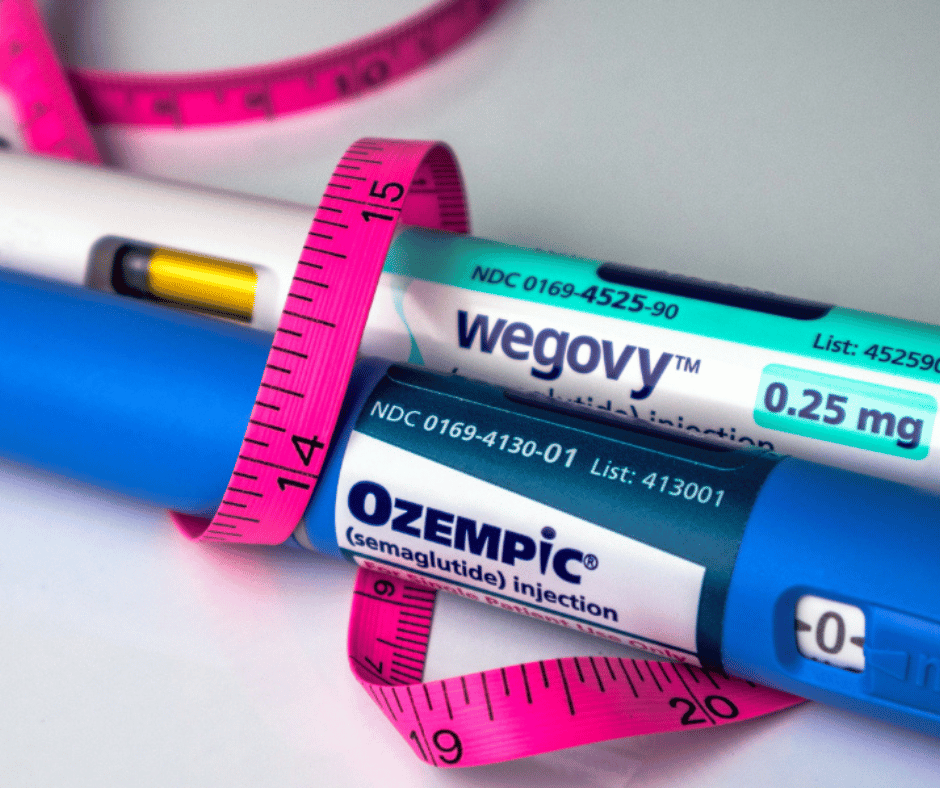
Ozempic is semaglutide and is FDA approved for type 2 diabetes
Wegovy is also semaglutide, but FDA approved for obesity management
Mounjaro is tirzepatide, a dual agonist (GLP 1 plus GIP) used for type 2 diabetes, with related options used for obesity management depending on the brand and indication
These are not interchangeable purely based on popularity. The best choice depends on your diagnosis, medical history, goals, tolerability, insurance coverage, and what your clinician is targeting.
6) Who qualifies for GLP 1s for weight management
In general, FDA labeling for obesity management includes:
BMI 30 or higher, or
BMI 27 or higher with metabolic comorbidities such as prediabetes, hypertension, or high cholesterol
That said, insurance criteria can be very different from medical criteria.
The frustrating truth about insurance approval
Many patients meet FDA criteria and still get denied because an insurer may require a much higher BMI threshold or additional hurdles. This mismatch is one reason so many patients feel stuck even when the medical need is clear.
Some patients end up exploring self pay options, which can still be expensive. The bigger takeaway is that denial does not always mean the medication is not appropriate. It often means the system is not aligned with medical reality.
7) How GLP 1s work in the body
These medications support metabolic health through a few main mechanisms:
Slowing stomach emptying
Think of it as turning down the speed of digestion so fullness signals last longer.Improving insulin response after eating
This helps reduce post meal glucose spikes and supports A1C improvement in type 2 diabetes.Changing appetite and cravings
Many patients notice reduced “food noise” and fewer intense cravings. There is also research interest in how these pathways may influence other cravings, including alcohol, though this is still being studied.
8) Common side effects and practical ways to handle them
Most side effects are gut related, especially early on or when doses increase too quickly.
Constipation
Constipation is very common, and it is worth addressing before starting the medication if it is already an issue.
Practical supports include:
Increasing fiber through fruits, legumes, and whole grains
Adding chia seeds or flax
Hydration and consistent movement
Fiber supplements or magnesium when appropriate
Many people can manage constipation successfully with a simple plan and do not need aggressive laxatives.
Nausea
Nausea can happen early, often without vomiting, and is frequently temporary.
Some patients learn their own predictable pattern, such as feeling more appetite suppression or nausea the day after the injection. Slower titration and food choices can make a big difference.
Appetite changes
The goal is not to stop eating. If someone is barely eating and losing too quickly, dosing and nutrition strategy should be adjusted. A slower dose increase is often the most sustainable path.
9) “Ozempic face” and muscle loss: what actually helps prevent it
The concern behind “Ozempic face” or “Ozempic butt” is usually rapid fat loss plus loss of lean muscle mass.
The best protective strategy is not fear. It is a plan:
Prioritize protein consistently
Strength train regularly
Track body composition when possible, not just scale weight
Titrate medication thoughtfully so weight loss is not extreme or too fast
When GLP 1s are used to improve health and reduce visceral fat, body composition and strength are key parts of the process.
10) Realistic weight loss expectations
A common misconception is that GLP 1s are a quick fix.
In clinical data discussed in the episode, weight change commonly ranges around 13 percent to 22 percent over time, depending on the medication and the individual. More importantly, the best outcomes are typically seen when medication is paired with consistent lifestyle interventions, not instead of them.
This is not just about “being smaller.” It is about improving insulin resistance, reducing visceral fat, lowering inflammation, and decreasing long term complications.
11) Can you take GLP 1s for a few months and stop
This is one of the biggest questions, and the honest answer is:
Stopping abruptly carries a high likelihood of rebound weight gain for many people.
In clinical practice, it is common to see patients return close to baseline weight when a GLP 1 is discontinued without a long term plan.
That does not mean everyone must take it forever. It means discontinuation needs strategy.
A more sustainable approach
For some patients using GLP 1s for obesity management, a clinician may set a longer horizon, such as a year, while intensively working on:
Nutrition structure
Strength training
Sleep and stress patterns
Body composition preservation
Then, if appropriate, doses can be reduced gradually while monitoring for rebound.
There are also special situations where discontinuation is required, such as when planning pregnancy or fertility treatment, and many patients can maintain progress when the plan is structured and supportive.
12) A real patient example: when lifestyle is strong but biology still needs help
In the episode, Dr. Makhija describes a young man with early onset type 2 diabetes who worked hard on lifestyle and kept his A1C around the mid 6 range, but continued to struggle with:
BMI approaching 40
Fatty liver indicators
Fatigue
Moderate obstructive sleep apnea
Low or low normal testosterone with secondary hypogonadism pattern
This is a great example of why education matters. When someone is doing the work but still has progressing metabolic complications, it is worth discussing tools that address physiology, not just motivation.
The bottom line: GLP 1s are a tool, not a moral verdict
If you take one message from this conversation, let it be this:
Needing a medication does not mean you failed.
Obesity and type 2 diabetes are complex, chronic conditions influenced by biology, environment, and metabolism. GLP 1s can be powerful when used thoughtfully, medically, and alongside lifestyle interventions that protect muscle and support long term health.
If you are considering GLP 1 therapy, the best next step is a conversation with a qualified clinician who can evaluate your full picture, not just your weight.
For patients across California, including Lafayette, and the broader Bay Area, our team supports both in person visits and telemedicine throughout the state.
By Dr. Chhaya Makhija, MD, DipABLM
Board-Certified Endocrinologist | Lifestyle Medicine Physician | Founder, Unified Endocrine & Diabetes Care
Lafayette • Fresno • California Telemedicine (including Silicon Valley, Palo Alto, Menlo Park, San Francisco, Walnut Creek, Oakland, Sacramento)

Watch or Listen to the Full Episode
For a deeper dive into the science and real-world clinical nuance:
FAQs about GLP-1s
-
They can be highly effective for the right person, but they are not magic. Sustainable results come from combining medication with nutrition, strength training, and long term habits.
-
Those terms usually reflect rapid fat loss and loss of lean muscle. Strength training, adequate protein, and slower titration can help protect body composition.
-
Constipation and nausea are common early on. Most side effects are gut related and can often be managed with slow dose increases and a clear plan.
-
Many people regain weight if they stop abruptly without a strategy. Some can taper successfully with strong lifestyle structure and careful monitoring, but rebound is common.
-
This episode focuses on FDA approved medications studied in clinical trials. If you are considering any version, discuss safety, sourcing, and evidence with your clinician.
Medical note: This blog is for education and does not replace personalized medical advice. Medication decisions should be made with your prescribing clinician based on your health history and goals.